

- Info
10 Reasons why you should book a Private Tour
- On a private trip you can choose the route;
- On a private trip you can change the route, even during the trip;
- On a private trip you can sometimes change the dates;
- On a private trip you can choose the hotels;
- On a private trip you can choose where, when and what to eat;
- On a private trip the guide is not focused on other people/strangers;
- On a private trip, you can choose the attractions to visit, and for how long;
- On a private trip, you are surrounded only by friends and family;
- On an organized trip you do not know the other participants. Surprises may occur;
- A private trip guarantees greater personal security.
Trip Search

Trips
- Escapades
All offers include:
- Certified tour guide, also certified for transporting passengers;
- Vehicles:
- For up to 4 tourists, Ford Mondeo;
- For 4 – 6 tourists, Ford Galaxy;
- For 6 – 8 tourists, Mercedes Vito;
- For 8 – 15 tourists, minibus 16+1 seats;
- Only air-conditioned vehicles, the most spacious and comfortable in their classes;
- Wireless Internet Connection in the vehicles;
- Passenger and luggage insurance (during the trips only);
- All expenses of the car/minibus (driver, insurance, vignette, fuel, parking tickets);
- Personally verified hotels providing breakfast, non-smoking air-conditioned rooms, elevator and wireless Internet.
The offers do NOT include:
- Airline tickets;
- Travel insurance and/or extreme sports insurance;
- Meals (except for breakfasts, when explicitly included in multi-day tour packages);
- Admittance tickets to attractions;
- Personal expenses;
- Tips for service providers (e.g. waiters).
- Destinations
- Who We Are
Certified Tour Guide in Romania

Elia E. Ehud PFA – guiding since 2016
With over nine years of experience, we know how to make your trip extraordinary and unforgettable. We offer safe private tours (“no strangers on the bus”) that reveal the authentic travel gems of Romania. Each tour is specially tailored with your interests in mind, including attractions, restaurants, transportation and hotels. Looking for a headache-free trip? You just need to buy your flight tickets. Leave the rest to us, the locals, do it right for you.



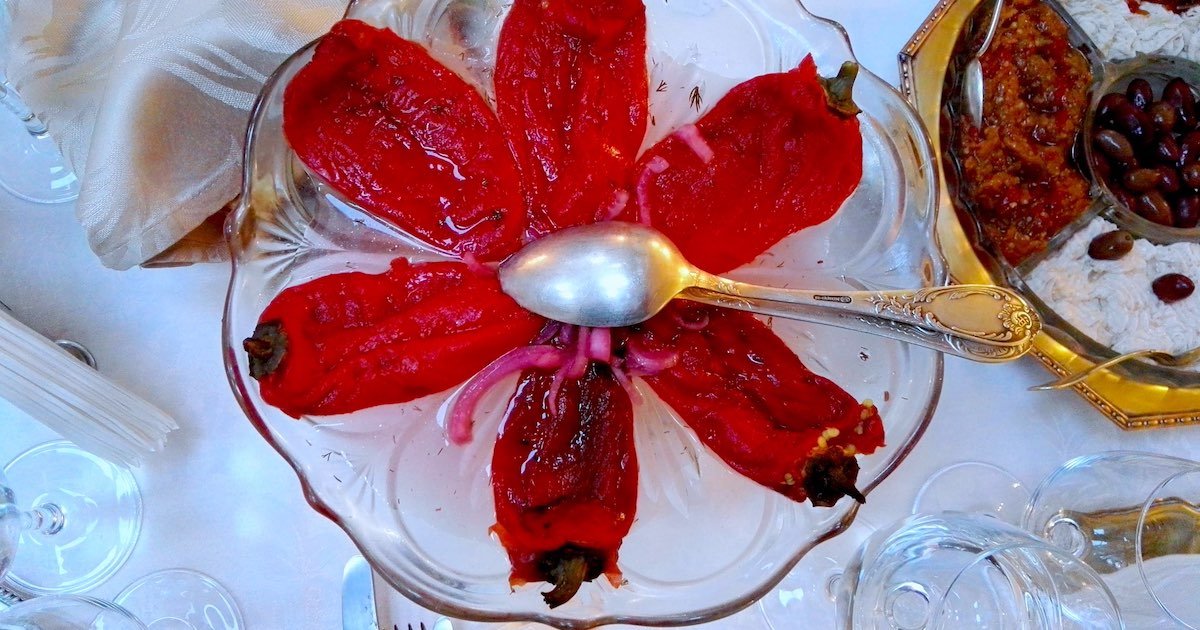
The secret of traditional Romanian pickles lies in the right brine and aromatic herbs that preserve everything naturally, through fermentation. Anyone can make them, it’s not complicated. If even I can do it…..
Important:
Regardless of what you put in the jar (gogonella, cucumbers or cauliflower), the ratio of brine to salt is one tablespoon of coarse salt (without iodine!) per liter of water.
Fine or iodized salt will soften the pickles, so you need special salt for pickles. I buy a 5kg bag when I go with tourists to salt. It is much better than commercial salt because it does not contain the substance that prevents the formation of salt lumps.
Here are three traditional recipes of Romanian cuisine:
1. Gogonella and various pickles (in brine)
Place them in barrels or large glass jars.
Ingredients:
– “Gogoshari” (canned with the stem), carrots, cauliflower, celery (root and leaves), hard apples or quinces.
– Spices: lots of horseradish, dried dill sticks, mustard seeds, peppercorns, a few bay leaves and garlic cloves.
Preparation:
Wash the vegetables well and pack them well in a jar. Put pieces of horseradish between them (this is what keeps the vegetables hard/crispy).
Boil the water with the salt, let it “boil” for 5-10 minutes, then pour the hot water over the vegetables.
After 2-3 days, strain the juice with a tube and pour it back.
2. “Gogoshari” in vinegar (without boiling)
This recipe is famous because the gogoshari remain crispy and wonderfully sweet-sour.
Ingredients:
– 5 kg of gogushari cut into quarters;
– 500 ml vinegar (9 degrees);
– 500 g sugar;
– 2-3 tablespoons coarse salt;
– peppercorns, mustard seeds and horseradish strips.
Preparation:
Place the chopped gogoshari in a large bowl. Pour the vinegar, sugar, salt and spices over them. Leave for 12-24 hours and stir occasionally. I don’t stir, I have a plastic tube that I put in the jar and blow into it. This is how I’m trained if the police stop me and force me to blow into the flask.
Then put them in jars, add the horseradish and pour the juice over them. Nothing is cooked!
3. Sauerkraut (for semolina)
Choose only cabbage with thin leaves, not very large.
Procedure: Empty the stem and put a teaspoon of salt in each hole. Place in a barrel with the salt side up.
Between The cabbages, be sure to put corn kernels (for a golden color), thyme sprigs and dried dill.
Again, blow the juice with a tube every few days.
Put a handful of mustard seeds in each jar, so that the pickles do not bloom (that white crust on top). Mustard has natural antibacterial properties.
Bonus: pickled cucumbers in the summer. These are ready in just 3-4 days, thanks to a fermentation process accelerated by heat and a slice of bread.
They are crispy, sour and have a much “fresher” taste than those in vinegar.
Ingredients:
Gherkin pickles, about 1-1.5 kg per 3 liter jar.
Classic brine: a tablespoon of coarse salt per liter of water.
Flavorers: garlic head (peeled and cut in half), dried dill stalks (with flower), horseradish root (cut into pieces).
Surprise ingredient: a thick crust of sourdough bread.
Preparation
Wash the cucumbers well. Cut off the ends and make a slit on both ends.
Place half of the dill, horseradish and garlic in the bottom of the glass jar. Place the cucumbers vertically, as densely as possible, and add the rest of the flavors on top.
Brine: Boil the water with the salt, let it cool for just a minute and pour the hot water over the cucumbers until they are completely covered. Add the slice of bread, wrapped in a piece of cloth.
Cover the opening of the jar with a plate and place it on the windowsill or balcony, directly in the sun.
After 2-3 days, the juice will become cloudy. Taste and if the cucumber is sour, remove the bread and dill, close the lid and transfer the jar directly to the refrigerator.
Can be served directly from the refrigerator.