

- Info
10 Reasons why you should book a Private Tour
- On a private trip you can choose the route;
- On a private trip you can change the route, even during the trip;
- On a private trip you can sometimes change the dates;
- On a private trip you can choose the hotels;
- On a private trip you can choose where, when and what to eat;
- On a private trip the guide is not focused on other people/strangers;
- On a private trip, you can choose the attractions to visit, and for how long;
- On a private trip, you are surrounded only by friends and family;
- On an organized trip you do not know the other participants. Surprises may occur;
- A private trip guarantees greater personal security.
Trip Search

Trips
- Escapades
All offers include:
- Certified tour guide, also certified for transporting passengers;
- Vehicles:
- For up to 4 tourists, Ford Mondeo;
- For 4 – 6 tourists, Ford Galaxy;
- For 6 – 8 tourists, Mercedes Vito;
- For 8 – 15 tourists, minibus 16+1 seats;
- Only air-conditioned vehicles, the most spacious and comfortable in their classes;
- Wireless Internet Connection in the vehicles;
- Passenger and luggage insurance (during the trips only);
- All expenses of the car/minibus (driver, insurance, vignette, fuel, parking tickets);
- Personally verified hotels providing breakfast, non-smoking air-conditioned rooms, elevator and wireless Internet.
The offers do NOT include:
- Airline tickets;
- Travel insurance and/or extreme sports insurance;
- Meals (except for breakfasts, when explicitly included in multi-day tour packages);
- Admittance tickets to attractions;
- Personal expenses;
- Tips for service providers (e.g. waiters).
- Destinations
- Who We Are
Certified Tour Guide in Romania

Elia E. Ehud PFA – guiding since 2016
With over nine years of experience, we know how to make your trip extraordinary and unforgettable. We offer safe private tours (“no strangers on the bus”) that reveal the authentic travel gems of Romania. Each tour is specially tailored with your interests in mind, including attractions, restaurants, transportation and hotels. Looking for a headache-free trip? You just need to buy your flight tickets. Leave the rest to us, the locals, do it right for you.

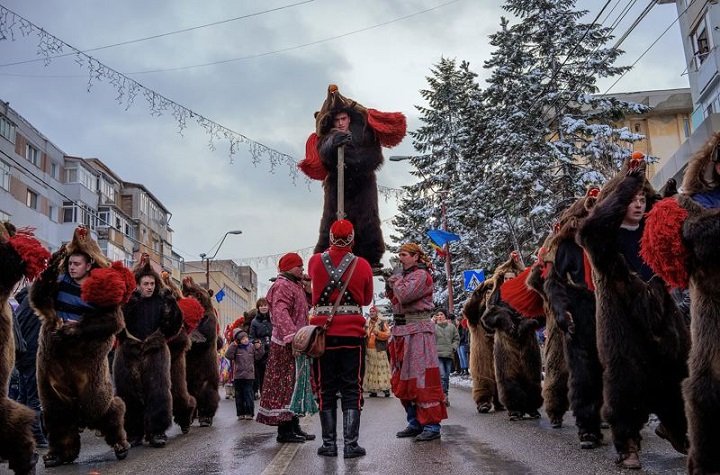
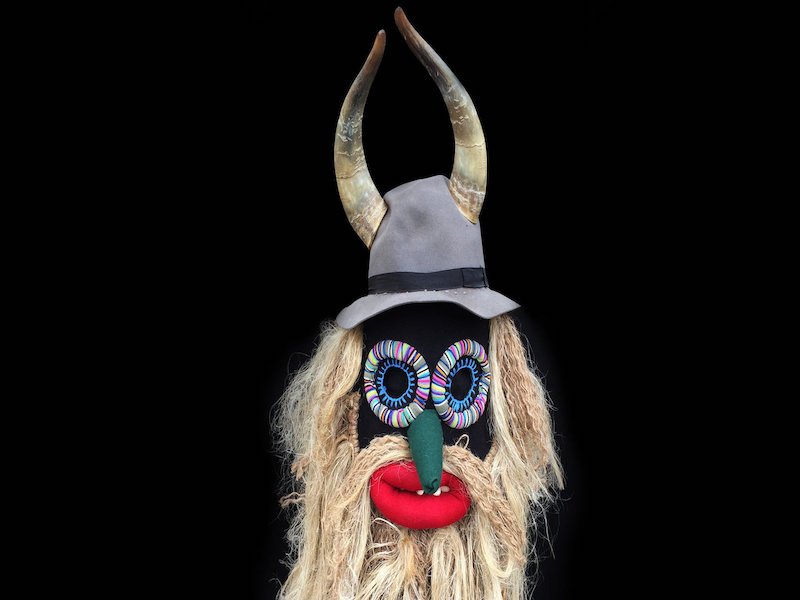
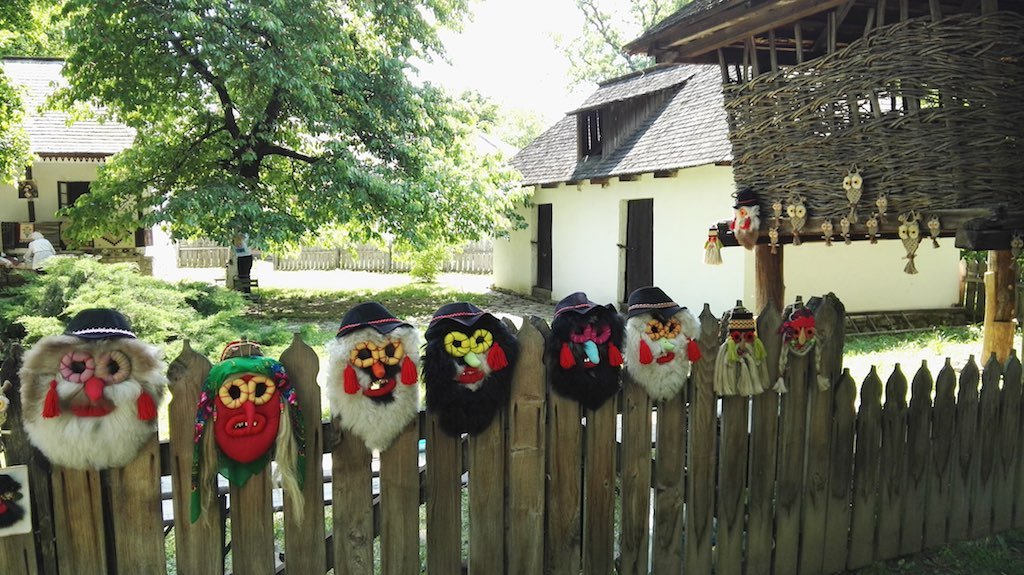
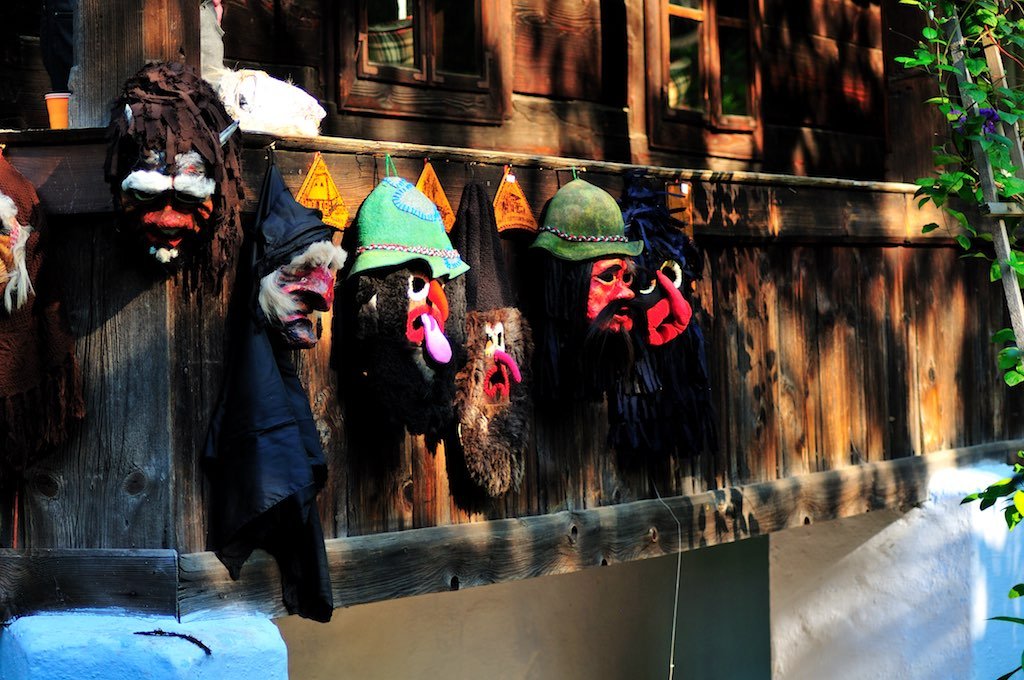
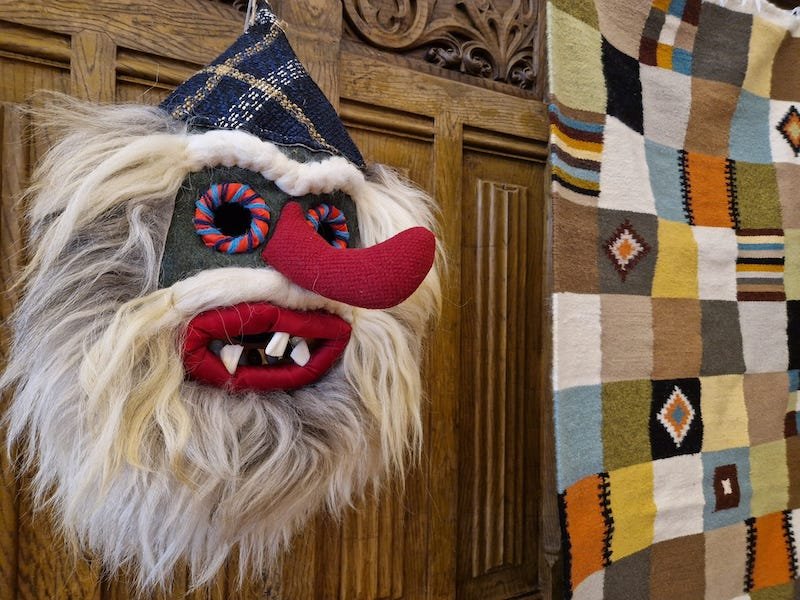
Romanian Folklore Masks
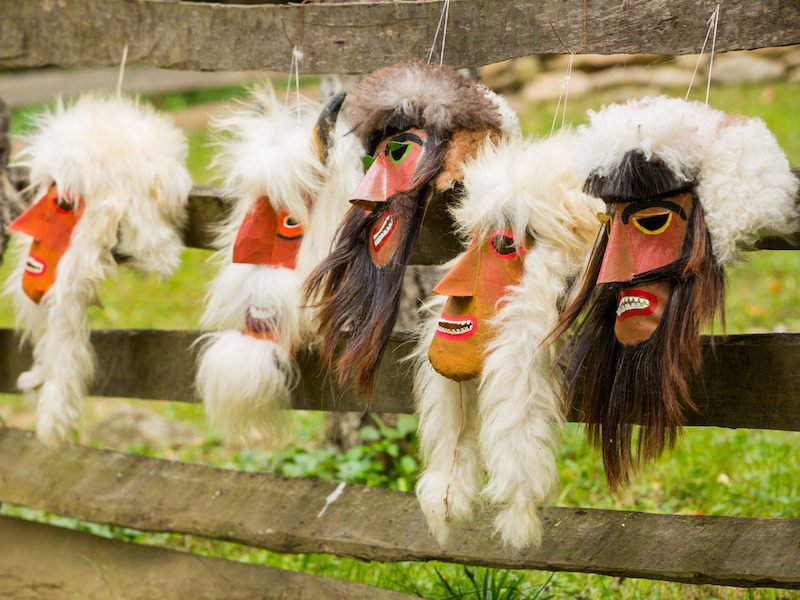
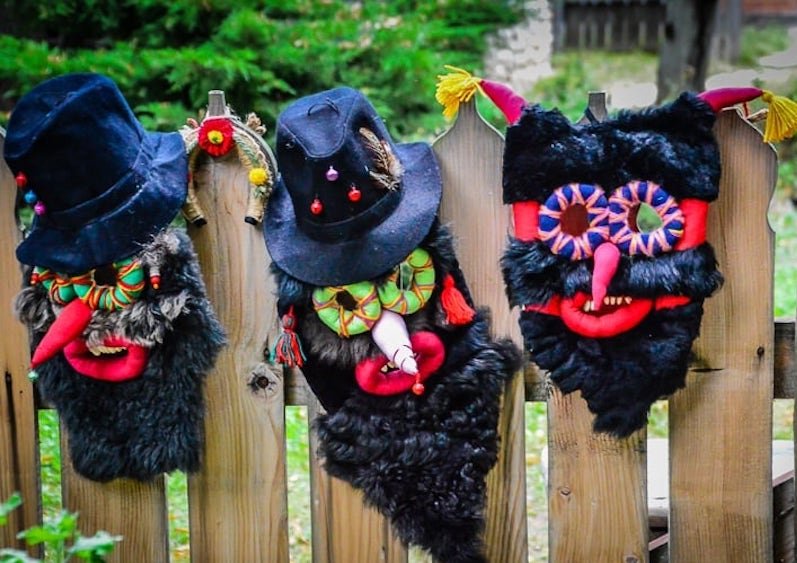
Romanian folklore masks are one of those wild, slightly eerie, totally fascinating traditions that feel half theater, half ancient ritual. They’re especially tied to winter holidays and New Year customs, where the goal isn’t just to entertain—it’s to protect, scare away evil, and reset the world for the new year.
They are handmade masks worn during traditional village rituals, especially in regions like Moldavia, Bucovina and Maramureș. They’re usually crafted from:
- fur (sheep, goat);
- wood;
- cloth;
- horns, teeth, feathers.
Many of them look intentionally grotesque or exaggerated: huge noses, bulging eyes, sharp teeth. That’s not random—it’s the point.
Famous mask traditions
1. Capra (The Goat)
One of the most iconic traditions.
A performer wears a goat mask with a snapping jaw. The “goat” dances, collapses, then comes back to life.
Symbolism: death and rebirth, tied to agricultural cycles.
2. Ursul (The Bear)
Super popular in eastern Romania. Performers wear heavy bear skins and masks and dance rhythmically to drums.
Symbolism: the bear is seen as a protector and purifier, driving away evil.
Romanian folklore masks are often handmade by local artisans and can take days or weeks to complete. Each one is unique — no mass production here. Some villages even have mask-makers whose work is passed down through generations.
How to “read” a Romanian mask
- Horns (size, shape, direction)
- Large curved horns (ram-like) → strength, masculinity, raw natural force;
- Twisted or asymmetrical horns → chaos, unpredictability (used for trickster/devil figures);
- Upward-pointing horns → connection to sky / spiritual power
- Downward or forward horns → aggression, protection (like a shield)
- Eyes (arguably the creepiest part)
- Huge, bulging eyes → all-seeing, vigilance (nothing escapes them);
- Mismatched eyes → confusion, meant to disorient evil spirits
- Deep-set or shadowed eyes → connection to the underworld / ancestors
Sometimes they’re ringed with red or black to amplify that “don’t mess with me” energy.
- Nose (often exaggerated)
- Very long or hooked nose → parody of old age or greed;
- Animal snouts → blurring human/animal boundary (key theme in rituals)
- Teeth & mouth
- Big exposed teeth / tusks → intimidation, warding off evil
- Moving jaws (like in Capra) → life force, speech, transformation;
- Open mouth → active energy (the mask is “alive,” not passive)
- Hair, fur & beards
- Sheep/goat fur → fertility, abundance, pastoral life;
- Long wild hair → untamed nature, chaos;
- Beards (especially exaggerated) → wisdom… or satire of elders
Masks from Maramureș often go heavy on hair and beard textures—super tactile, almost alive.
- Colors (not random at all)
- Red → life, blood, protection;
- Black → mystery, death, the unknown
- White → purity, transition (often used in death/rebirth themes)
The contrast (especially red + black) is meant to be visually aggressive—again, to repel bad forces.